
David Silverstein and Shem Musoke: Care and Survival
The Hot ZoneThis thread traces the professional trust and personal concern linking David Silverstein and Shem Musoke as a colleague’s unexplained illness becomes a confirmed Marburg infection and a long recovery.
increasing Bearing strength in each event
 decreasing
Bearing strength in each eventdecreasingA Colleague in Crisis
Care Before Diagnosis
An Emergency Without a Name
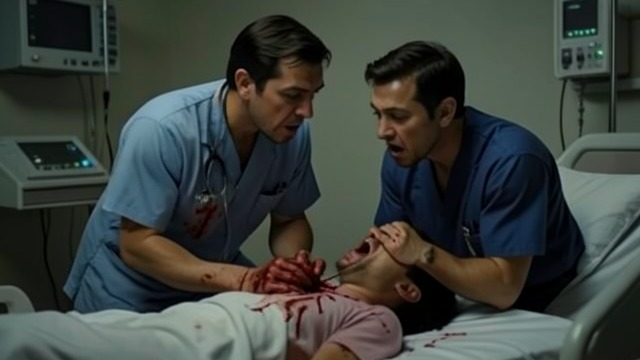
Shem Musoke, a young physician at Nairobi Hospital, is called to treat Charles Monet, who has collapsed after severe hemorrhaging. Musoke encounters a patient in extremis without knowing what has caused the illness or how dangerous the fluids around him may be.
His response is immediate and practical. He works to restore Monet’s airway and circulation, putting medical duty ahead of the uncertainty surrounding the case.
Risk Taken in Service
During the treatment, Monet vomits blood into Musoke’s eyes and mouth. Musoke continues caring for him, using his hands to clear the patient’s airway even as infected material spreads across his skin and clothing.
The encounter establishes the moral shape of Musoke’s later illness: he is exposed while trying to save a stranger. The virus turns ordinary acts of emergency care into a source of peril, but does not erase the professional obligation that led him to act.
A Doctor Becomes Patient
The Reversal of Roles
Unexplained Symptoms
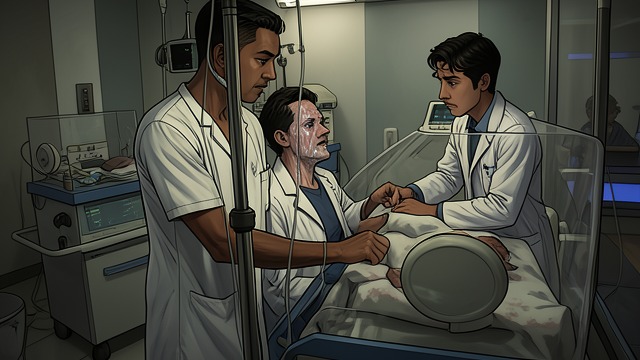
Nine days after the encounter with Charles Monet, Musoke develops backache, fever, red eyes, and worsening muscle and abdominal pain. He first tries to explain the symptoms as familiar illnesses, using antimalarial drugs and antibiotics without improvement.
As his condition deteriorates, he can no longer continue working. A colleague must examine him as a patient rather than rely on his own clinical judgment, marking a difficult reversal for a doctor accustomed to caring for others.
A Trusted Colleague Takes Over
David Silverstein assumes responsibility for Musoke’s care. The signs are alarming, but the cause is not yet known, and the doctors cannot offer a clear treatment plan.
Silverstein later describes the care as supportive rather than curative. His uncertainty does not weaken his commitment to his colleague; instead, the work becomes a sustained effort to keep Musoke nourished, reduce fever, and watch the illness closely while they wait for answers.
An Operation Without Answers
Surgery and Helplessness
The Search for a Cause
Musoke’s fever, jaundice, and abdominal pain leave his doctors considering several explanations, including gallstones and liver abscess. An examination shows an enlarged liver but provides no decisive diagnosis.
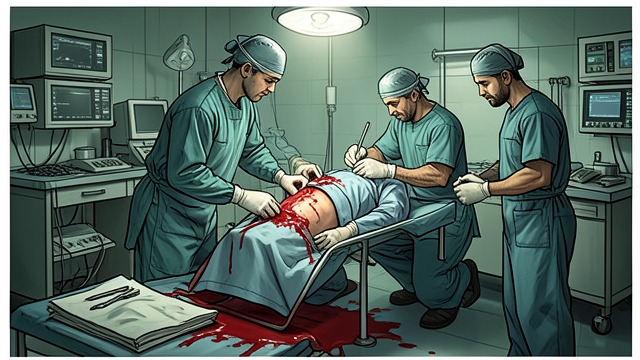
Because his condition is worsening, surgeons open his abdomen to investigate. They find no gallstones, and Musoke’s blood will not clot; the operative team struggles to control persistent bleeding from his vessels.
Silverstein’s Vigil
The operation deepens the crisis rather than resolving it. Musoke’s kidneys begin to fail, and the prospect of dialysis intensifies the hospital’s concern for a physician whose colleagues know him personally as well as professionally.
Silverstein collects blood serum and sends it to laboratories for testing. The decision to seek outside expertise is an act of care under uncertainty: he cannot identify the illness at the bedside, but he continues looking for a way to understand what is happening to his friend and colleague.
The Marburg Revelation
Naming the Threat
A Late-Night Message
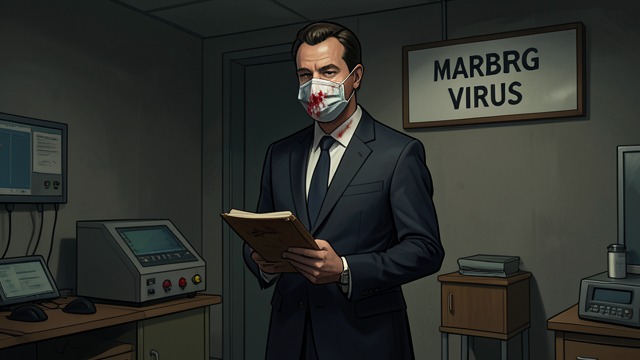
Silverstein receives a telephone call reporting that Musoke’s blood is positive for Marburg virus. The result supplies a name for the devastating illness but also raises a new fear: hospital staff may have been exposed while treating both Musoke and Monet.
Silverstein later recalls being unable to sleep after hearing the news. He drives to the hospital before dawn and looks up Marburg in a medical textbook, confronting the limited knowledge available about the organism.
Personal Concern Becomes Institutional
The diagnosis changes the meaning of earlier actions. Musoke’s bleeding and the surgical team’s contact with his blood are no longer isolated clinical details; they are potential exposure events requiring quarantine and surveillance.
Silverstein helps persuade Kenyan health authorities to quarantine staff and contacts. His care for Musoke now includes protecting the people around him, a painful extension of the physician’s role when the patient’s illness may threaten colleagues as well as the patient himself.
Recovery and Remembrance
A Colleague Returns
The First Improvement
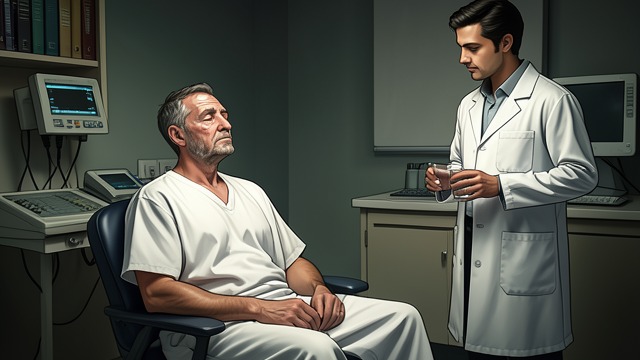
After a prolonged illness, Musoke’s fever begins to subside and his eyes clear. As his awareness returns, he becomes disoriented and angry, a change that his caregivers recognize as a sign that his personality and strength are beginning to reappear.
He recovers slowly but completely. The recovery is not immediate triumph over a known cure; it is a gradual return from an illness that had left his colleagues unsure whether he would survive.
An Enduring Professional Bond
Musoke later works as a leading physician at Nairobi Hospital and remembers only fragments of his illness, including the moment Charles Monet vomited on him. Silverstein’s supportive care has helped preserve the life of the colleague who became his patient.
Their relationship remains defined by the overlap between professional responsibility and personal attachment. Musoke’s survival does not make the exposure less serious, but it allows their shared history to continue in the hospital where the crisis began.
January 1980, after Charles Monet collapses at Nairobi Hospital
January 24, 1980, nine days after the exposure
Late January 1980, during Musoke’s deterioration
After the South African laboratory result, early February 1980
The weeks after Musoke’s diagnosis, in early 1980
